


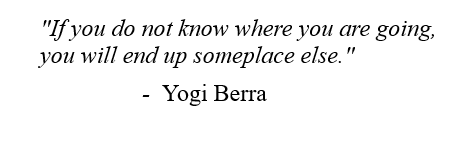
Do you know your pricing objective? Can you state it in one sentence? Does everyone who touches pricing agree on it?
If the answer is not YES to all three, you cannot be setting rents correctly.
At Price Wizard we have seen every kind of pricing objective. Some are sharp. Some are strange. Most fall into three groups.
The Three Groups
- Maximise yield.
- Maximise valuation.
- No objective at all.
The third group is the largest. More on that later.
1. Maximise Yield
Many operators want to maximise yield over a set period. Twelve months is common.
Done well, this objective settles occupancy around 96% to 98%. The logic is simple.
- Occupancy in Build to Rent is highly sensitive to price. When occupancy is low, a 1% cut in asking rent increased occupancy of a few per cent. Cutting rent makes money.
- When occupancy is high, you are turning away tenants who would pay more than your existing tenants. You can raise rent and still maintain high occupancy.
If you own the asset on your own balance sheet and you intend to keep it, yield is usually the right objective.
More operators should choose this approach. Many are leaving income on the table because they don’t.
2. Maximise Valuation
Many operators want to maximise valuation. A higher valuation lifts short term returns for fund managers.
This objective tends to produce lower occupancy and lower yield. Operators and asset managers resist cutting rent in a weak market. They fear it will drag the valuation down. So, they hold rents high and accept low occupancy. Or they hope a tenant will pay over the odds. Hope isn’t a strategy.
They look for evidence that the price is right. “We let a similar unit at this rent last month.” One let does not make a market. “The building next door achieves this rent.” Is your building as good as the one next door?
The interesting part of pricing for valuation is getting inside the head of the valuer. How does the valuer value the building? How much weight goes on passing rent? On advertised rent? On occupancy? On leasing velocity? Change the basis and the valuation moves a long way. So does the pricing strategy.
One of our clients had this objective: Hold the highest possible rent schedule, subject to occupancy staying above 80%. The client deliberately overpriced the building. As long as occupancy sat in the 80s, the valuer assumed the whole building could let at the current schedule. But that’s the point. The whole building couldn’t let at the current schedule.
When the objective is valuation, the detail is everything. The constraints you set decide the outcome.
Gaming the Valuer’s Formula
Suppose the valuer tells you how they will value the building next time:
“We will take the average rent per square metre achieved on new lets over the past three months. We will apply that rent to the whole building.”
Here is how you game it.
- Never raise rent on the weaker apartments eg bad light and lower levels
- Raise rent hard on the best apartments.
The best apartments keep turning over because rents are increased. They sit vacant more often. That frees them to let again at the new, higher rent. The weaker apartments stay rented, at weekly rents well. below market.
As a long term investor in the fund, would I accept this? No.
As an asset manager chasing the highest valuation, this is a winning play.
Valuers Are Rewarding the Wrong Behaviour
In my view, valuers should put far more weight on passing rent. Contracted rent. Real rent paid by real tenants. If a building is not full, there is a reason. The valuation should reflect it.
A pricing strategy should not be able to move a valuation. The fact that it can is an indictment of the valuation industry. Current techniques reward behaviour that hurts long term investors.
The Tension in Maximising Valuation
Pricing for valuation carries a tension worth naming.
Lower occupancy means empty homes. In the middle of a housing shortage, you are holding flats off the market to protect a number on a spreadsheet. Fewer people housed, so the valuation looks better. Sit with that for a moment.
And the returns pull in two directions. Maximising valuation lifts the return in the short term. It lowers the return in the long term. The asset manager wins now. The end investor pays later. Their interests are not aligned.
To a long term investor, yield is what matters most.
So, ask the honest question. When you price for valuation, whose interest are you serving?
3. No Objective At All
This is the most common group by far.
When we take on a new client, our first question is simple. “What is your objective?”
Often the answer is a blank look. Sometimes the asset management team and the operations team start to argue in the room. That argument is the point. Most operators have never defined the objective. They have never traced the perverse outcomes it can cause.
You cannot achieve an objective you have never set.
Start With the Objective
The single most important step is having an objective in the first place.
Get that right and the pricing strategy follows.
Would you like to work out your pricing objective? Get in touch with Price Wizard. We will help you facilitate the discussion, then help you achieve it.